What to know
Sleep affects mood, attention, and daily functioning, but poor sleep has many possible causes. A routine can help; it cannot diagnose insomnia, sleep apnea, depression, or another condition. For related guidance, read Exercise and Mental Health.
Regular timing, a suitable sleep environment, daytime activity, and managing light and stimulants can support sleep. Occasional poor nights are common. A closely connected Healthy Pulse article covers Daily Habits to Improve Your Mental Health.
A practical approach
- Keep wake time reasonably consistent.
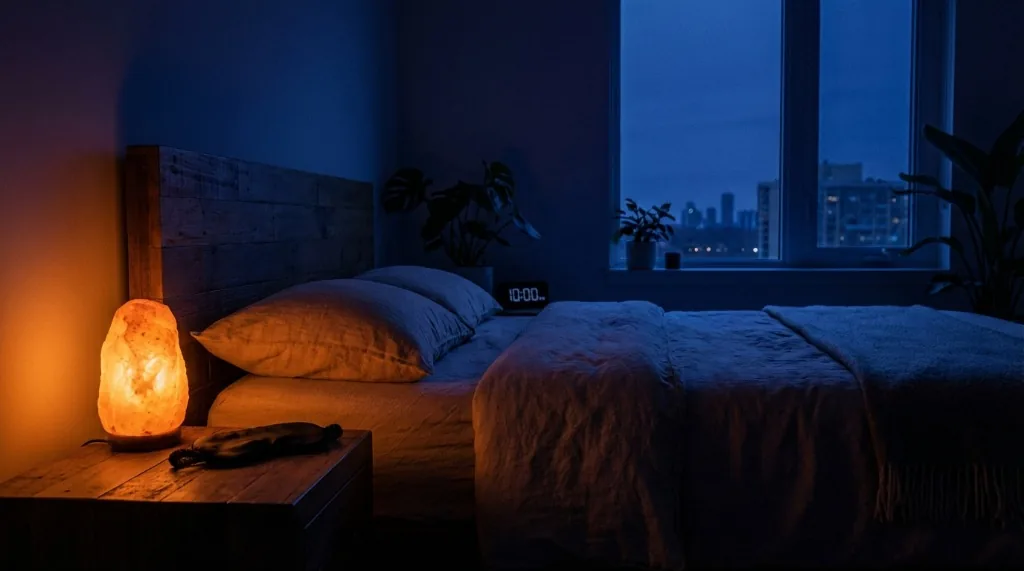
- Use a wind-down period with lower light and fewer demands.
- Avoid late caffeine if it affects you.
- Reserve the bed for sleep when practical.
- Seek assessment for persistent insomnia, breathing pauses, or severe daytime sleepiness.

Safety and limits
Do not drive or perform hazardous work when dangerously sleepy. Mental health symptoms and sleep problems often overlap and may need professional evaluation. Continue with Morning Routine Ideas for Better Mental Clarity for another practical perspective.