What to know
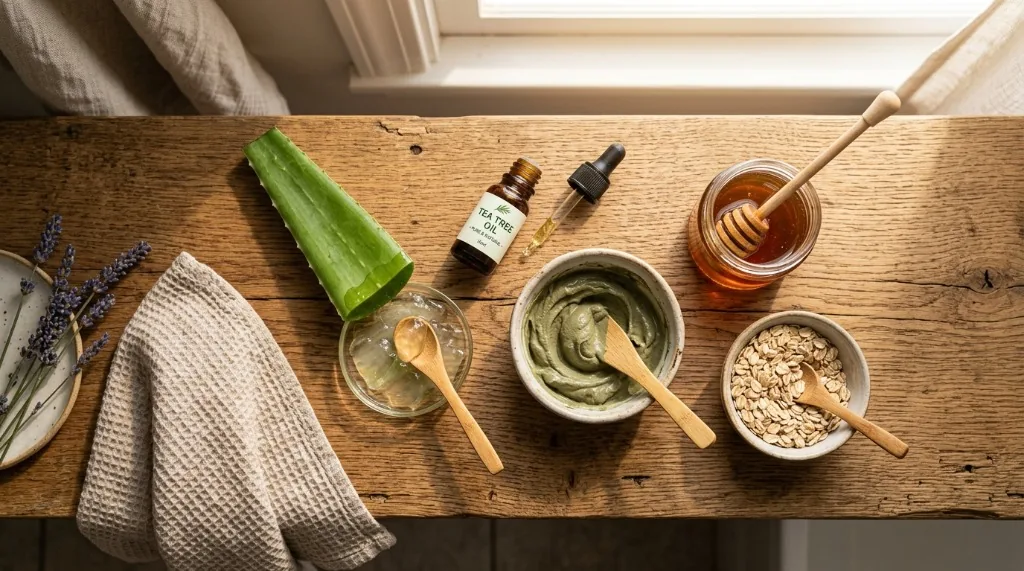
Acne is a skin condition with several possible patterns and severities. Kitchen remedies do not replace tested treatments, and irritation can worsen inflammation or dark marks. For related guidance, read Acne Care.
Gentle cleansing and non-comedogenic products support treatment. Evidence-based over-the-counter options may include benzoyl peroxide, salicylic acid, or adapalene depending on the person and product directions. A closely connected Healthy Pulse article covers Skin Aging.
A practical approach
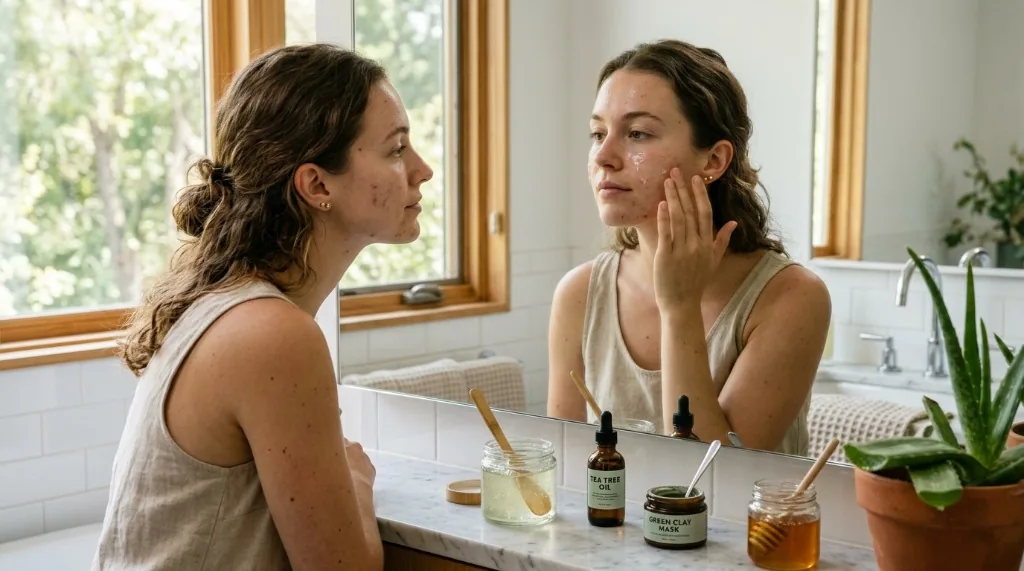
- Wash gently up to twice daily and after sweating.
- Introduce one active product at a time.
- Use a non-comedogenic moisturizer and daily sun protection.
- Avoid picking, harsh scrubs, and undiluted kitchen acids.
- See a dermatologist for painful, scarring, persistent, or widespread acne.
Safety and limits
Pregnancy changes which acne ingredients and medicines are appropriate. Review retinoids, salicylic acid, prescription medicines, and other actives with an obstetrician or dermatologist. Continue with Neem for Skin for another practical perspective.