What to know
Healthy eating is a pattern built over time, not a list of “superfoods.” Variety, adequacy, affordability, cultural fit, and enjoyment all affect whether a pattern is useful and sustainable. For related guidance, read Easy Plant-Based Meal Ideas for Beginners for Simple Healthy Eating….
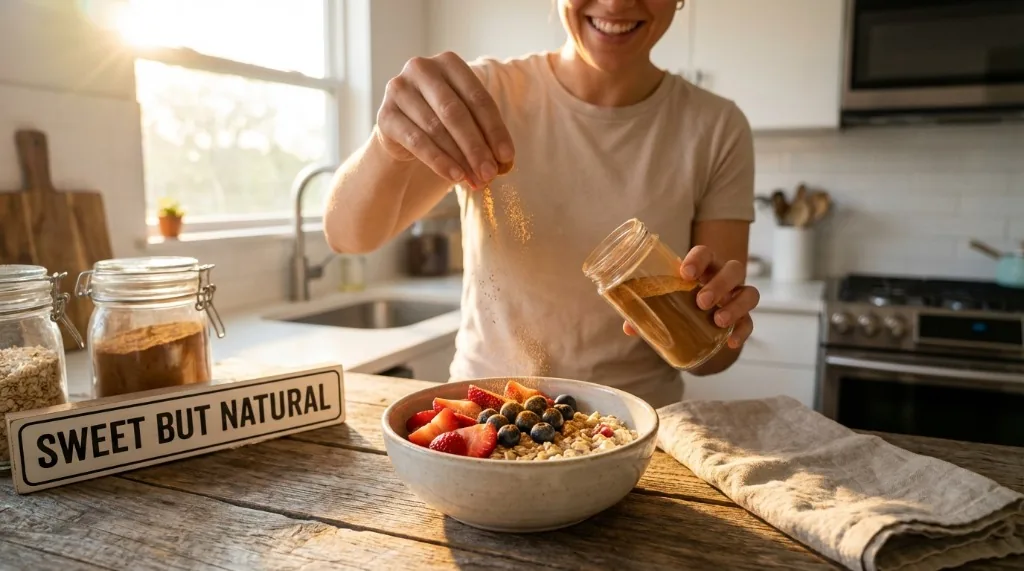
Emphasize nutrient-dense foods across food groups while limiting, rather than moralizing, frequent sources of added sugar, sodium, and saturated fat. A closely connected Healthy Pulse article covers Metabolism and Diet.
A practical approach
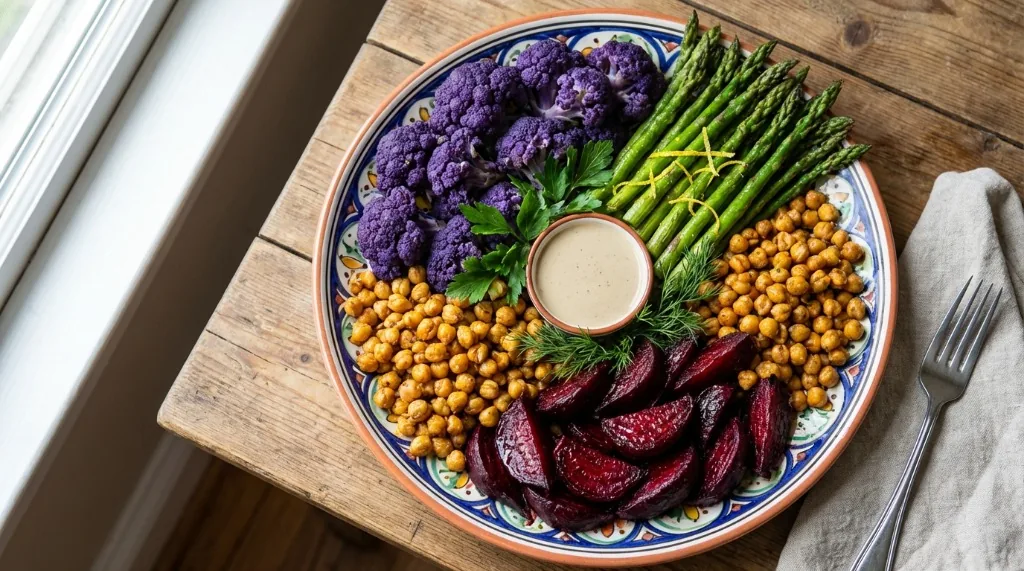
- Include vegetables or fruit in meals and snacks.
- Vary protein sources such as beans, lentils, eggs, fish, dairy or fortified alternatives, meat, nuts, seeds, or soy.
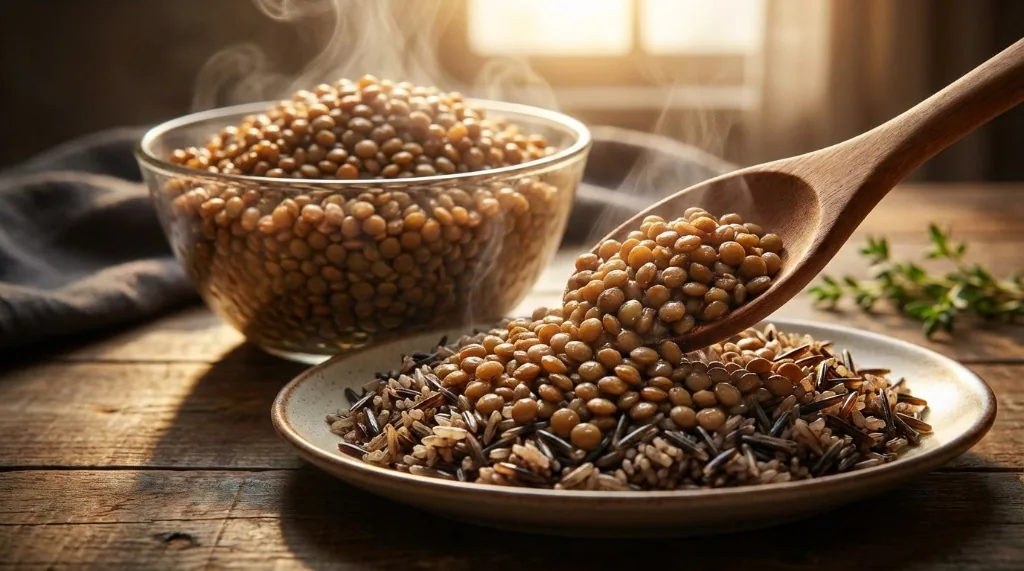
- Choose whole grains often.
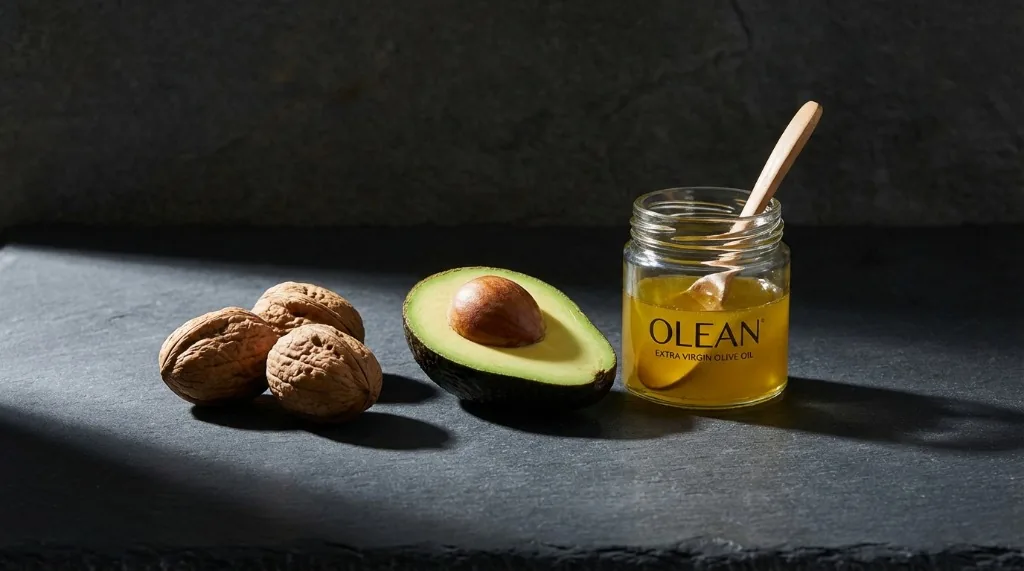
- Use unsaturated fats in suitable portions.
- Make gradual swaps that fit your budget and preferences.
Safety and limits
Pregnancy, childhood, allergies, diabetes, kidney disease, gastrointestinal disease, and eating-disorder history can change nutrition needs. Seek individualized guidance where relevant. Continue with Comparing Diet Patterns for Long-Term Health for another practical perspective.