What to know
Devices and procedures vary greatly in evidence, intensity, operator skill, and risk. Massage or a tool may cause temporary changes in puffiness or appearance, but it does not permanently reshape facial anatomy. For related guidance, read The practical Guide to Exfoliation.
Professional peels and lasers intentionally affect skin and require appropriate selection and aftercare. At-home devices should be used only as labeled and never on injured or infected skin. A closely connected Healthy Pulse article covers Face Steaming.
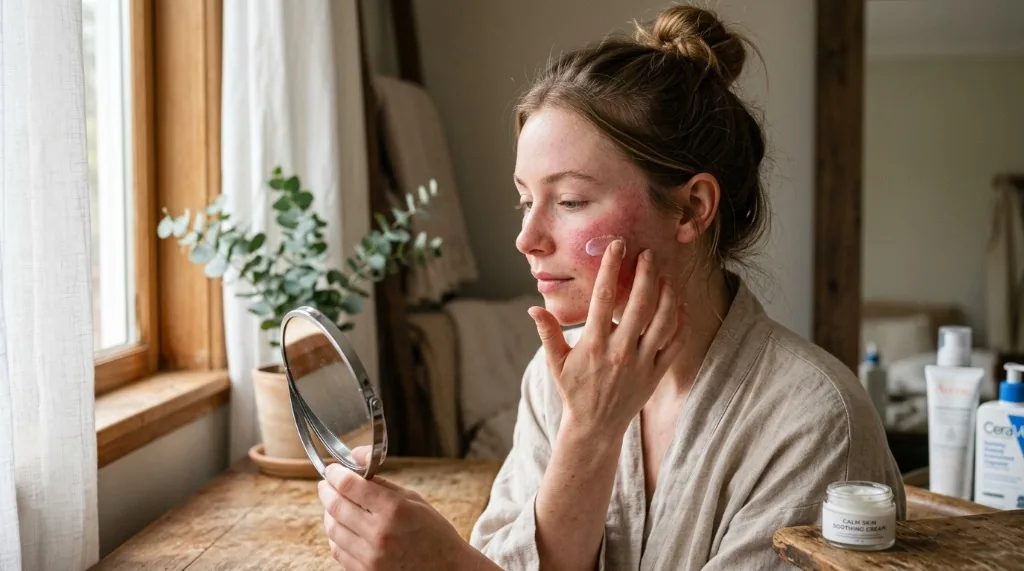
A practical approach
- Identify the exact procedure or device rather than relying on a trend name.
- Check contraindications and aftercare before treatment.
- Avoid stacking exfoliants or retinoids around a procedure unless instructed.
- Protect healing skin from sun and picking.
- Contact the treating clinician for increasing pain, blistering, pus, fever, or worsening redness.
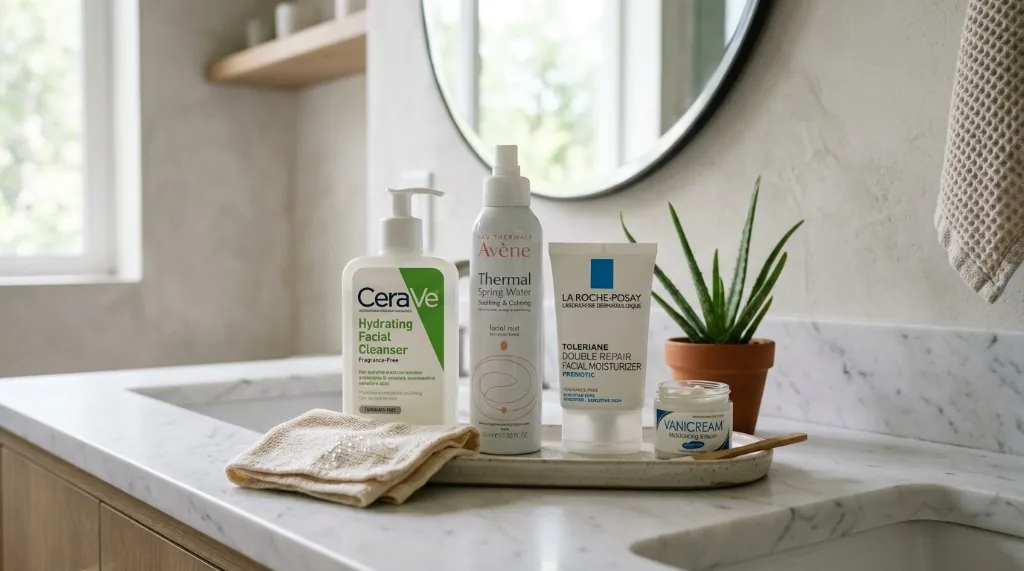
Safety and limits
Pregnancy, darker skin tones, active skin disease, medicines, and a tendency to scar can alter risk. In-office procedures should be performed by an appropriately qualified clinician. Continue with Gua Sha and Microcurrent for another practical perspective.