What to know
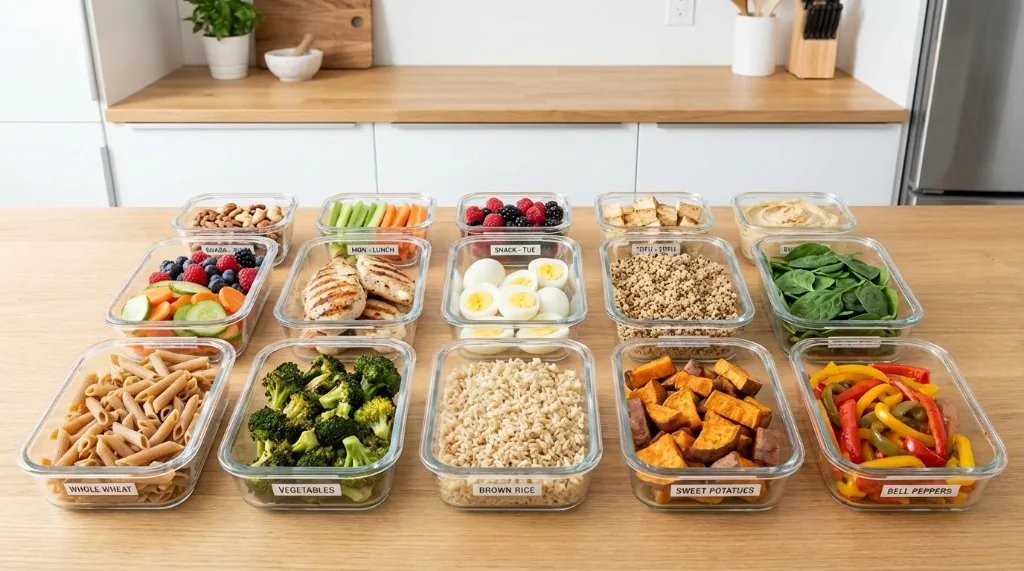
Reducing added sugars or highly processed foods can improve the overall quality of a diet, but foods do not need to be divided into morally “clean” and “bad” categories. For related guidance, read Calorie Deficits and Weight Loss.
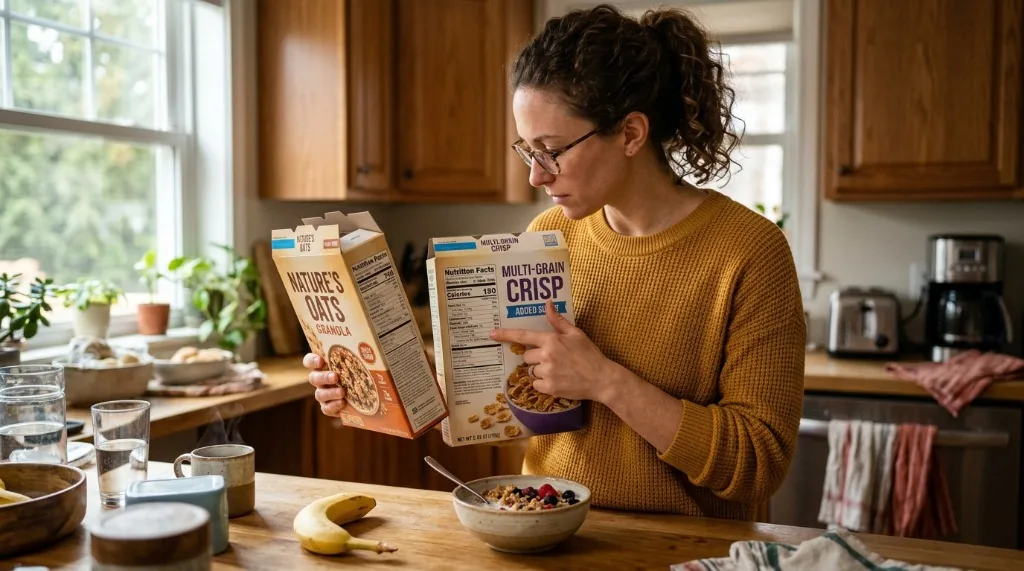
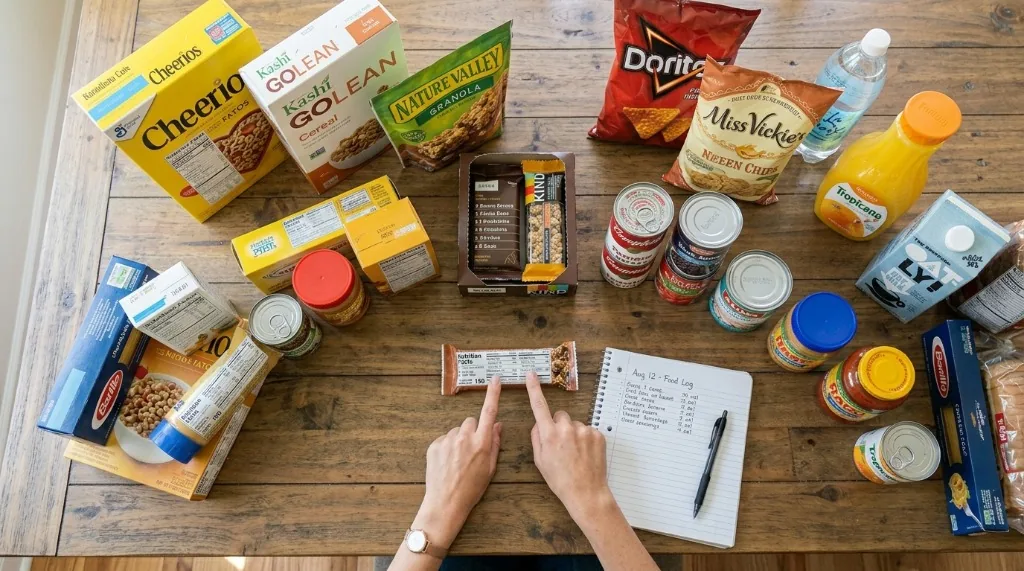
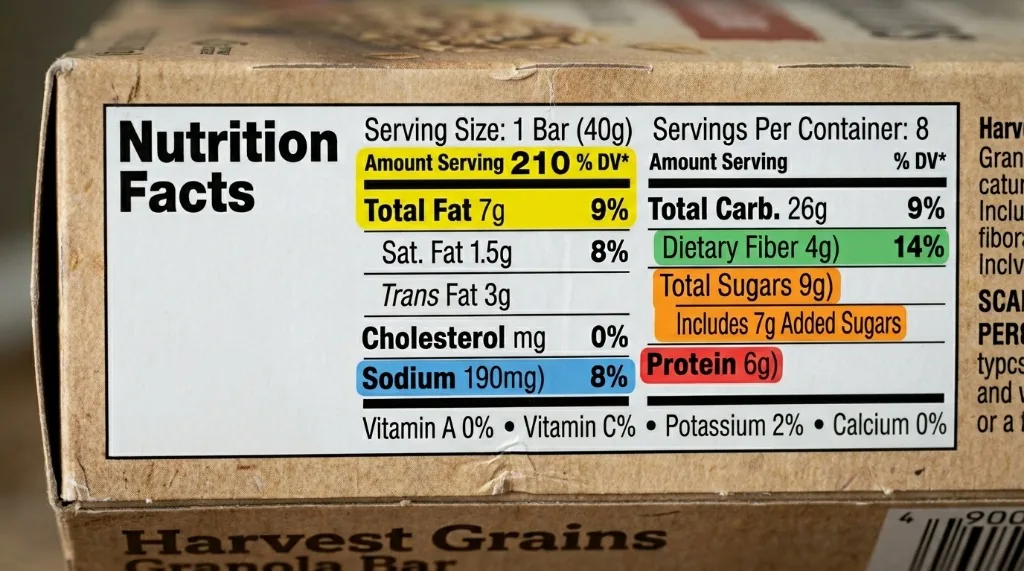
Look at the full pattern: serving size, added sugars, sodium, fiber, protein, and how often a food is eaten. Processing ranges from helpful steps such as freezing to products high in added sugar or sodium. A closely connected Healthy Pulse article covers Simple Ways to Reduce Sugar Without Sacrificing Taste.
A practical approach
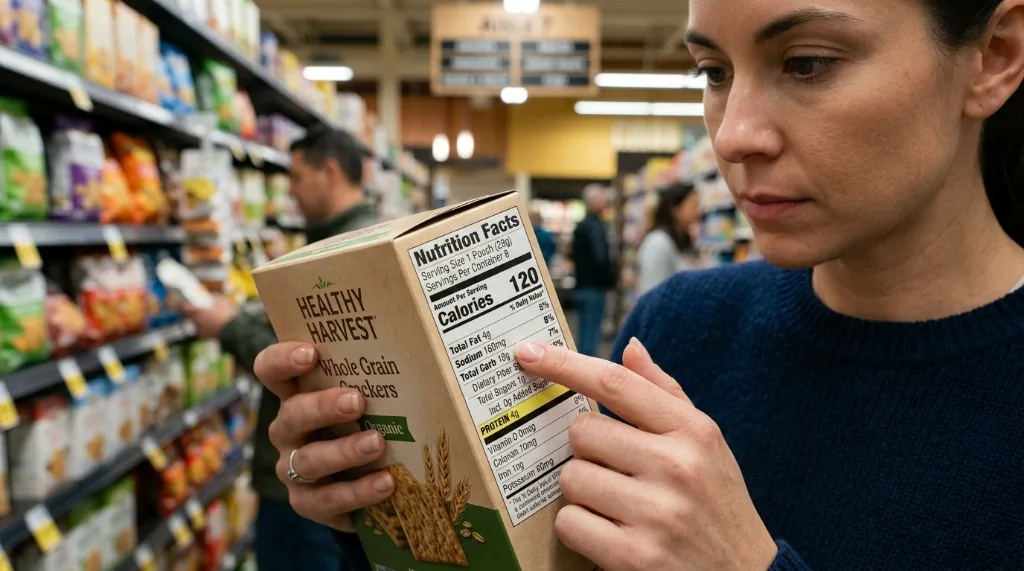
- Read the serving size and added-sugars line on packaged foods.
- Replace some sugary drinks with water or unsweetened options.
- Choose fruit, plain yogurt, nuts, or other satisfying snacks when suitable.
- Reduce sweetness gradually so changes are easier to keep.
- Allow flexibility instead of requiring perfect avoidance.
Safety and limits
People using insulin or other glucose-lowering medicines should coordinate major carbohydrate changes with their clinical team. Continue with How to Reduce Sugar Without Feeling Deprived and Still Enjoy Your Food for another practical perspective.