What to know
Foods do not “flush toxins” or perform a cleanse. The liver, kidneys, lungs, digestive system, and skin handle normal waste processing, while treatment for an actual poisoning is medical care. For related guidance, read Healthy Eating on a Budget.
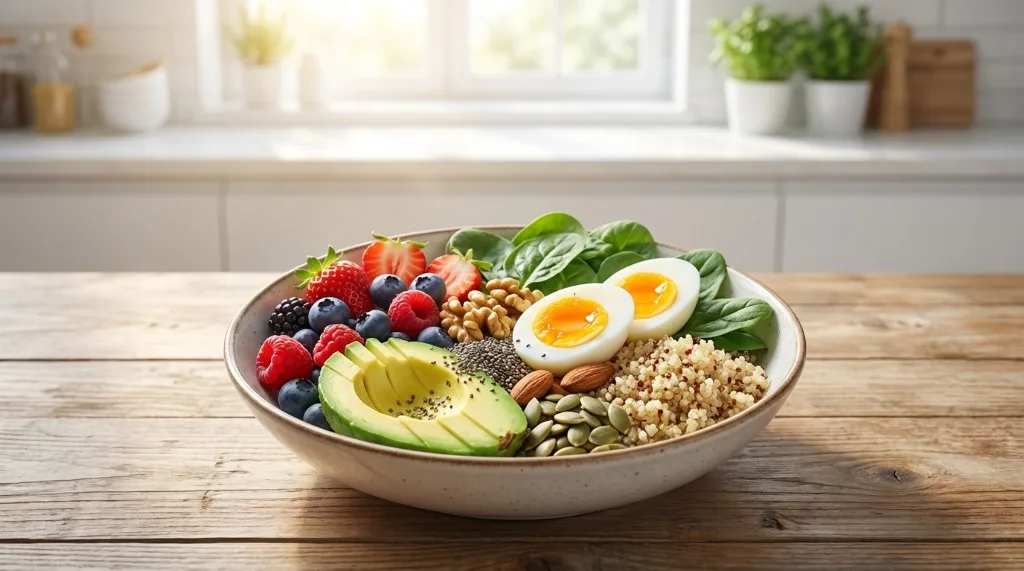
Vegetables, fruit, whole grains, legumes, protein foods, and adequate fluid can support general nutrition. Calling them detox foods adds a mechanism that has not been established. A closely connected Healthy Pulse article covers Seasonal Foods That Maximize Your Nutrient Intake.
A practical approach
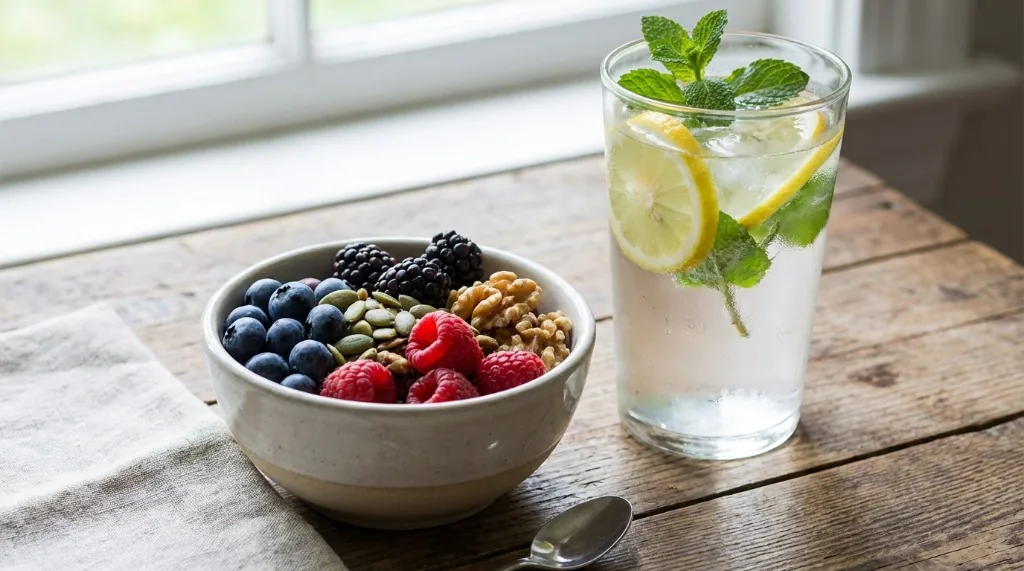
- Build meals from a variety of minimally processed foods.
- Avoid juice-only, laxative, or supplement cleanses.
- Use fiber-rich foods and increase fiber gradually.
- Drink according to your needs rather than forcing excessive water.
- Treat fatigue, pain, jaundice, persistent digestive symptoms, or suspected exposure as reasons for medical assessment.

Safety and limits
Detox regimens can cause dehydration, electrolyte problems, nutrient deficits, or medicine interactions, with higher risk in pregnancy and in kidney, heart, or digestive disease. Continue with Food, Fiber, and Digestive Health for another practical perspective.