What to know
Fiber-rich foods can support bowel function and overall dietary quality. “Gut health” is broad, and no single food can repair or optimize every person’s microbiome. For related guidance, read Food, Fiber, and Digestive Health.
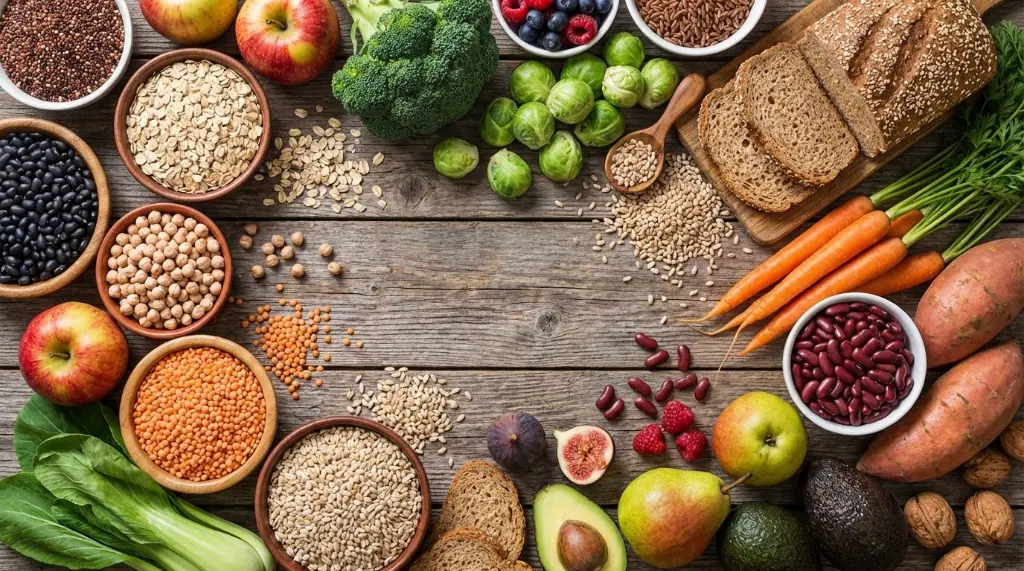
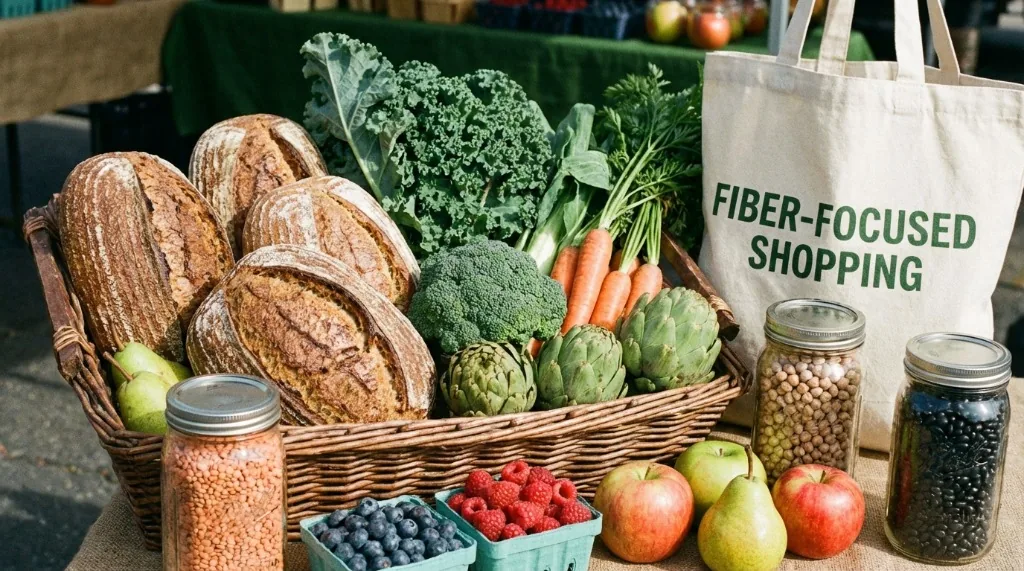
Different fibers occur in whole grains, legumes, vegetables, fruit, nuts, and seeds. Increasing fiber too quickly can cause gas or discomfort, and fluid helps fiber work effectively. A closely connected Healthy Pulse article covers Foods, Fiber, and Digestive Health.

A practical approach
- Add one fiber-rich food at a time.
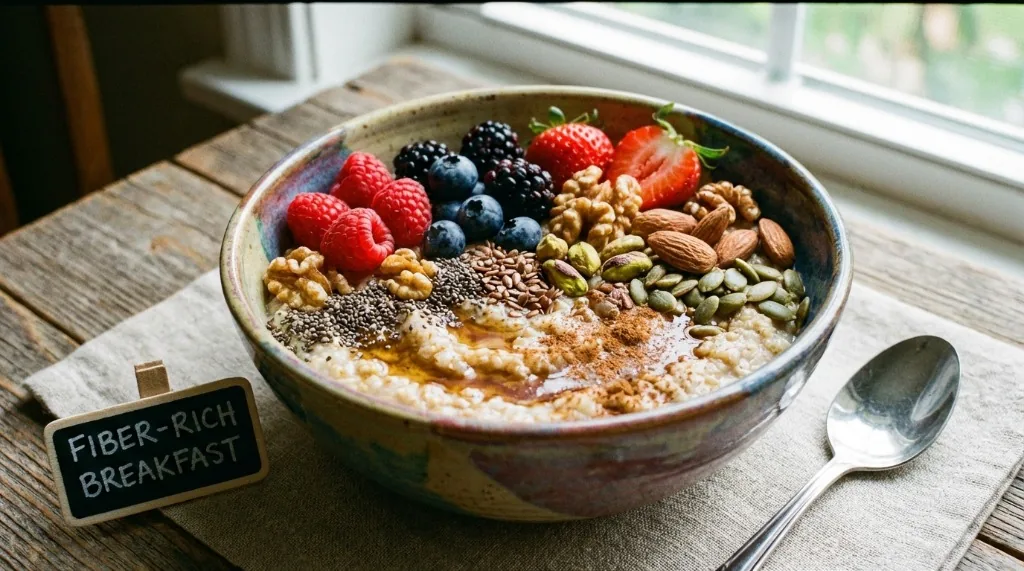
- Use beans, lentils, oats, whole grains, vegetables, or fruit regularly.
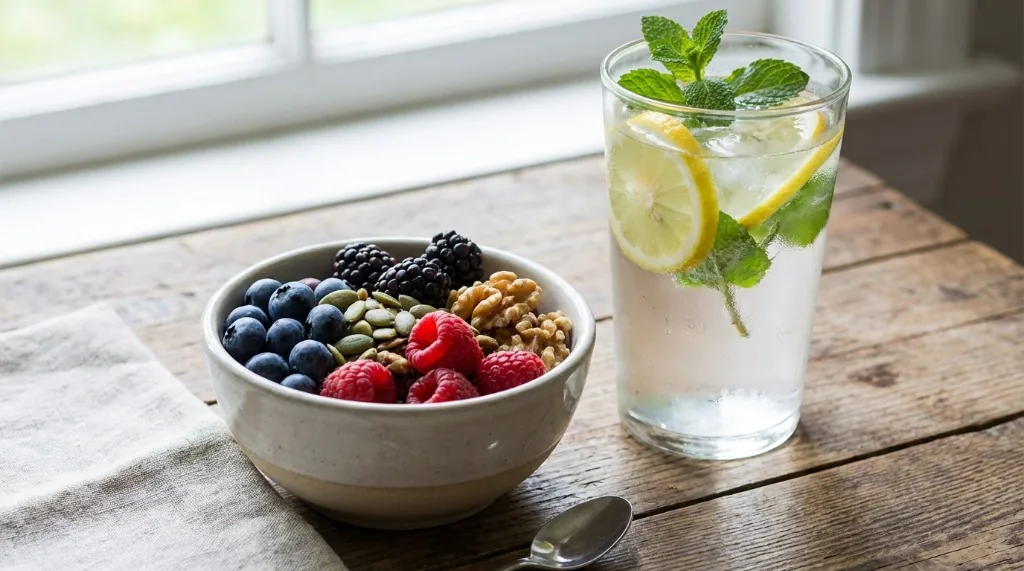
- Drink enough fluid for your needs.
- Keep a symptom record if particular foods cause problems.
- Seek assessment for bleeding, persistent pain, vomiting, fever, or unexplained weight loss.
Safety and limits
Digestive diseases, swallowing problems, bowel narrowing, or prescribed low-fiber diets require individualized advice before increasing fiber. Continue with Using So-Called Superfoods in a Balanced Diet for another practical perspective.